Tata Technologies’ €75 Million ES-Tec Acquisition: A Strategic Leap in EV & Automotive Innovation
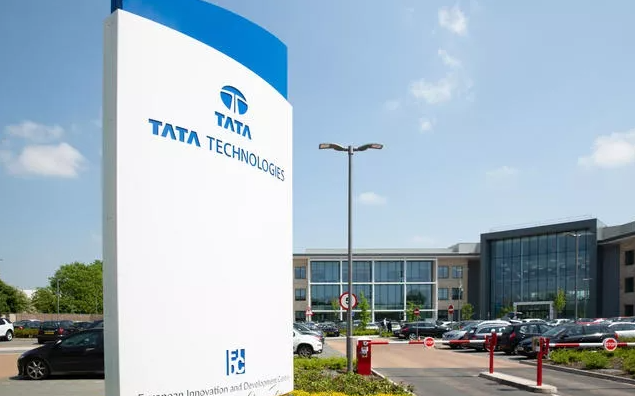
Tata Technologies Ltd. (TTL), the Pune-headquartered global engineering services company, has acquired Germany-based ES-Tec Group in a €75 million deal, securing 100% ownership. The payment will be staggered over two years, tied to performance milestones. More than a financial transaction, this move positions Tata Tech at the heart of Europe’s automotive innovation hub — Wolfsburg, home to Volkswagen and symbolic of German engineering excellence.
ES-Tec specializes in ADAS (advanced driver-assistance systems), connected driving, and digital engineering, core technologies for the emerging software-defined vehicle (SDV) era. By embedding itself within Germany’s automotive ecosystem, Tata Tech gains direct access to European OEM programs, elevating its role from offshore engineering execution to co-innovation partner in high-value, software-driven mobility.
For India, this acquisition marks a watershed moment for the engineering R&D sector, comparable to how IT services once globalized through TCS and Infosys. The move signals that Indian firms are moving beyond cost-arbitrage to becoming end-to-end innovation leaders. Indian engineers will benefit from exposure to German systems engineering, boosting domestic expertise in ADAS, connected mobility, and SDVs.
The implications for India’s EV ecosystem are profound. As electric vehicle competitiveness shifts from hardware (batteries, powertrains) to software intelligence, Tata Tech’s access to ES-Tec’s capabilities will accelerate innovation in over-the-air updates, connected platforms, and safety features. Tata Motors, India’s EV market leader, stands to directly benefit, integrating advanced technologies into its lineup to compete globally.
The acquisition also unlocks commercial synergies: ES-Tec’s established German client relationships, paired with Tata Tech’s scalable offshore delivery and digital engineering expertise, create a strong proposition of faster development cycles at competitive costs.
Overall, this is not a routine acquisition but a strategic repositioning that strengthens India’s role in the global automotive value chain, shifting its identity from a low-cost hub to a trusted partner in next-generation mobility innovation.