India Expands EV Charging Infrastructure Under PM E-Drive Scheme
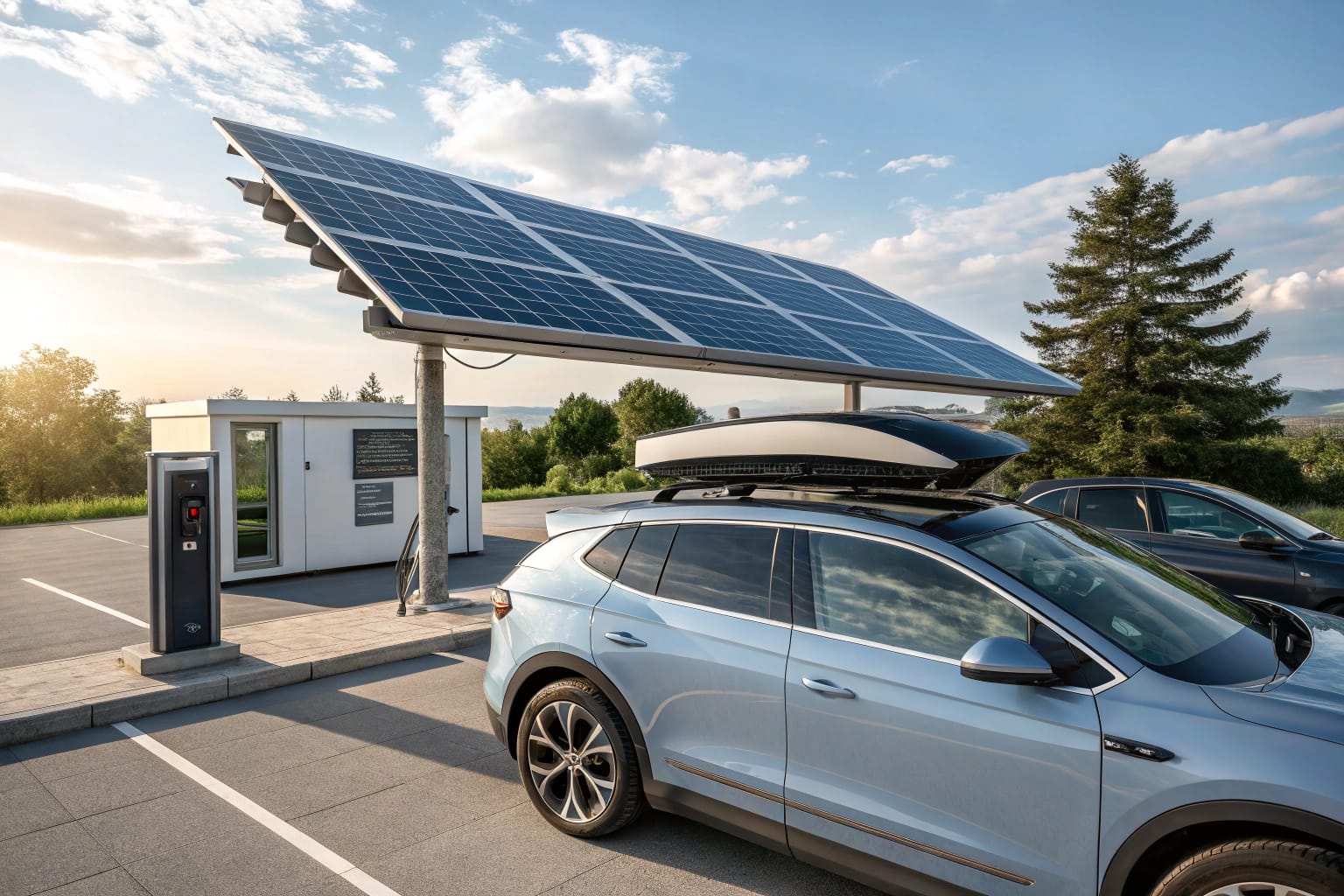
India is rapidly strengthening its electric vehicle (EV) charging infrastructure, now boasting 4,557 public charging stations across 146,342 km of national highways, state roads, and expressways. This development was announced by Union Minister Nitin Gadkari, emphasizing the government’s dedication to sustainable and electric mobility.
Uttar Pradesh tops the chart with 507 charging stations, followed closely by Karnataka (489), Maharashtra (459), Tamil Nadu (456), and Rajasthan (424). These figures reflect a balanced regional expansion of infrastructure to support the country’s growing EV ecosystem. The Bureau of Energy Efficiency (BEE) has been instrumental in gathering data to track this progress. However, no incentive program currently exists for Charging Point Operators (CPOs) — a potential gap in the policy framework.
In addition to highways, tier 2 cities have seen substantial growth in EV infrastructure, with 4,625 charging stations operational as of April 1, 2025. This urban expansion is critical as adoption rates rise in smaller cities.
The government's PM E-Drive Scheme, launched in October 2024, is the cornerstone of this push. With a Rs 2,000 crore budget, it aims to install 72,000 public EV charging stations, focusing on 50 National Highway corridors and high-footfall zones like metros, airports, railway stations, toll plazas, and fuel stations. An additional Rs 10,900 crore has been earmarked to provide EV purchase subsidies under the scheme.
Further support is coming under the FAME-II scheme, where Rs 873.50 crore has been sanctioned to install 8,932 charging stations via IOCL, BPCL, and HPCL.
In a recent update, the government introduced incentives for e-trucks, offering up to Rs 9.6 lakh per vehicle for N2 (3.5–12 tonnes) and N3 (12–55 tonnes) category trucks. The incentive applies to puller tractors in the case of articulated vehicles, marking a significant step toward greening commercial freight.
Uttar Pradesh tops the chart with 507 charging stations, followed closely by Karnataka (489), Maharashtra (459), Tamil Nadu (456), and Rajasthan (424). These figures reflect a balanced regional expansion of infrastructure to support the country’s growing EV ecosystem. The Bureau of Energy Efficiency (BEE) has been instrumental in gathering data to track this progress. However, no incentive program currently exists for Charging Point Operators (CPOs) — a potential gap in the policy framework.
In addition to highways, tier 2 cities have seen substantial growth in EV infrastructure, with 4,625 charging stations operational as of April 1, 2025. This urban expansion is critical as adoption rates rise in smaller cities.
The government's PM E-Drive Scheme, launched in October 2024, is the cornerstone of this push. With a Rs 2,000 crore budget, it aims to install 72,000 public EV charging stations, focusing on 50 National Highway corridors and high-footfall zones like metros, airports, railway stations, toll plazas, and fuel stations. An additional Rs 10,900 crore has been earmarked to provide EV purchase subsidies under the scheme.
Further support is coming under the FAME-II scheme, where Rs 873.50 crore has been sanctioned to install 8,932 charging stations via IOCL, BPCL, and HPCL.
In a recent update, the government introduced incentives for e-trucks, offering up to Rs 9.6 lakh per vehicle for N2 (3.5–12 tonnes) and N3 (12–55 tonnes) category trucks. The incentive applies to puller tractors in the case of articulated vehicles, marking a significant step toward greening commercial freight.