India’s Auto Retail Slows in July, but EVs Power Ahead Amid Monsoon and Market Pressures
India’s auto retail market slowed by 4.3% in July 2025, ending a three-month growth streak. The decline was driven by monsoon disruptions, weak rural demand, and a staggered festive calendar, which affected overall consumer sentiment and dealership traffic.
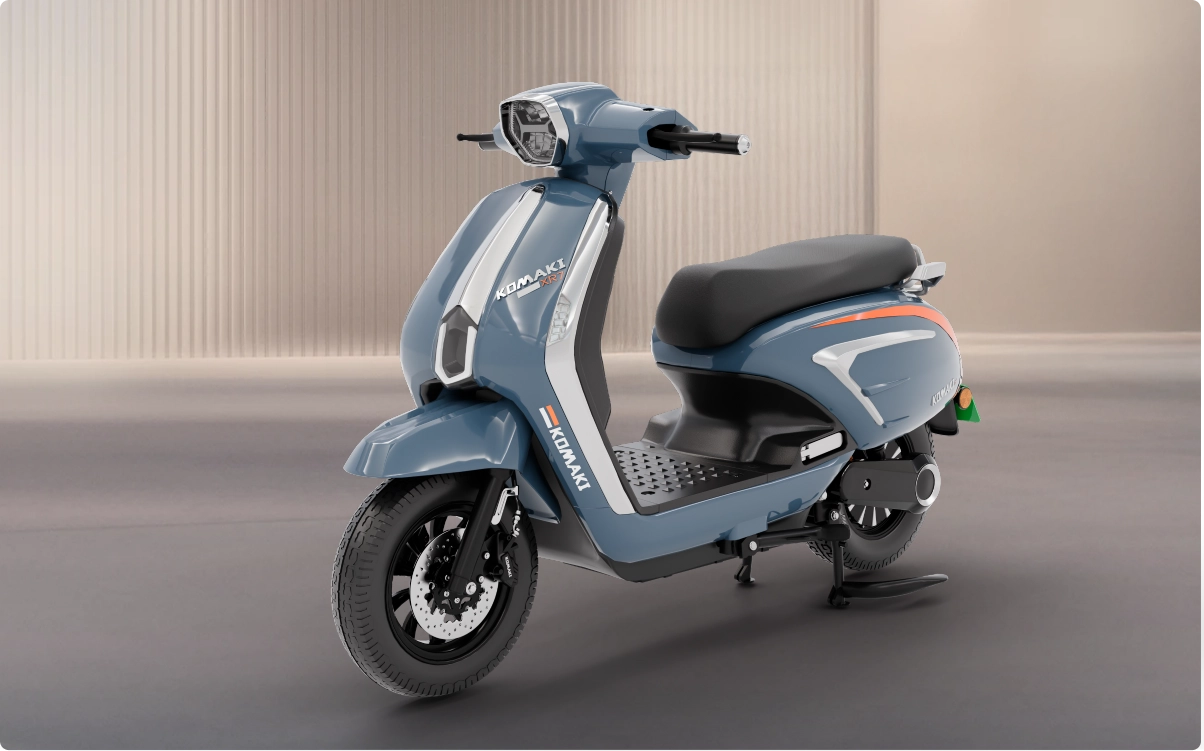
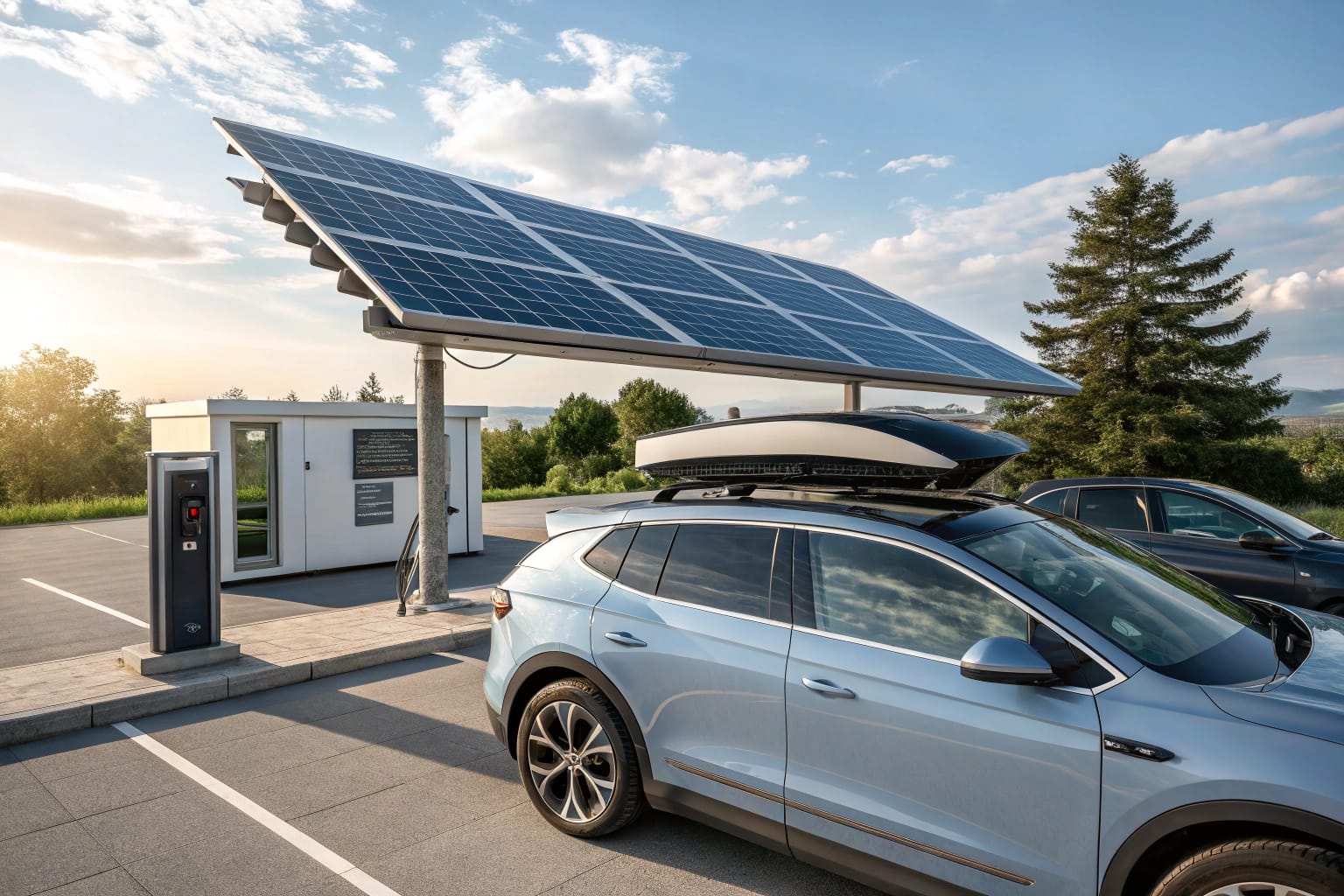
However, electric vehicles (EVs) defied the trend, showing significant growth across segments. EVs made up 7.6% of two-wheeler sales, even as that segment dropped over 6%. The three-wheeler EV segment grew by over 62%, driven by rising demand for e-rickshaws and last-mile delivery vehicles. Passenger EV sales also nearly doubled to 4.73% market share, led by companies like Ather, Ola Electric, and Mahindra, who are aggressively expanding into both urban and rural markets.
Meanwhile, traditional segments such as SUVs and two-wheelers struggled due to delayed rural purchases and softer urban interest. Inventories have risen to a 55-day level, prompting caution among dealers ahead of a fragmented festive season.
On the global front, a 50% US tariff on Indian exports has weakened the rupee and raised component costs, adding more pressure to margins and consumer pricing.
Despite these challenges, dealer sentiment remains cautiously optimistic, with hopes pinned on festival demand and the continued rise of EVs as a beacon of growth in an otherwise uncertain market.
However, electric vehicles (EVs) defied the trend, showing significant growth across segments. EVs made up 7.6% of two-wheeler sales, even as that segment dropped over 6%. The three-wheeler EV segment grew by over 62%, driven by rising demand for e-rickshaws and last-mile delivery vehicles. Passenger EV sales also nearly doubled to 4.73% market share, led by companies like Ather, Ola Electric, and Mahindra, who are aggressively expanding into both urban and rural markets.
Meanwhile, traditional segments such as SUVs and two-wheelers struggled due to delayed rural purchases and softer urban interest. Inventories have risen to a 55-day level, prompting caution among dealers ahead of a fragmented festive season.
On the global front, a 50% US tariff on Indian exports has weakened the rupee and raised component costs, adding more pressure to margins and consumer pricing.
Despite these challenges, dealer sentiment remains cautiously optimistic, with hopes pinned on festival demand and the continued rise of EVs as a beacon of growth in an otherwise uncertain market.