PM E-DRIVE Scheme Extended Till 2028 with No Additional Budget Allocation
The Indian government has extended the Prime Minister Electric Drive Revolution in Innovative Vehicle Enhancement (PM E-DRIVE) scheme by two years—now running until March 2028. This decision, approved by the Ministry of Finance, comes with a critical condition: no additional budget allocation will be made beyond the existing ₹10,900 crore. The Ministry of Heavy Industries (MHI) sought the extension to accommodate delayed rollouts in segments like e-trucks and e-ambulances, while redirecting funds toward faster-growing segments.
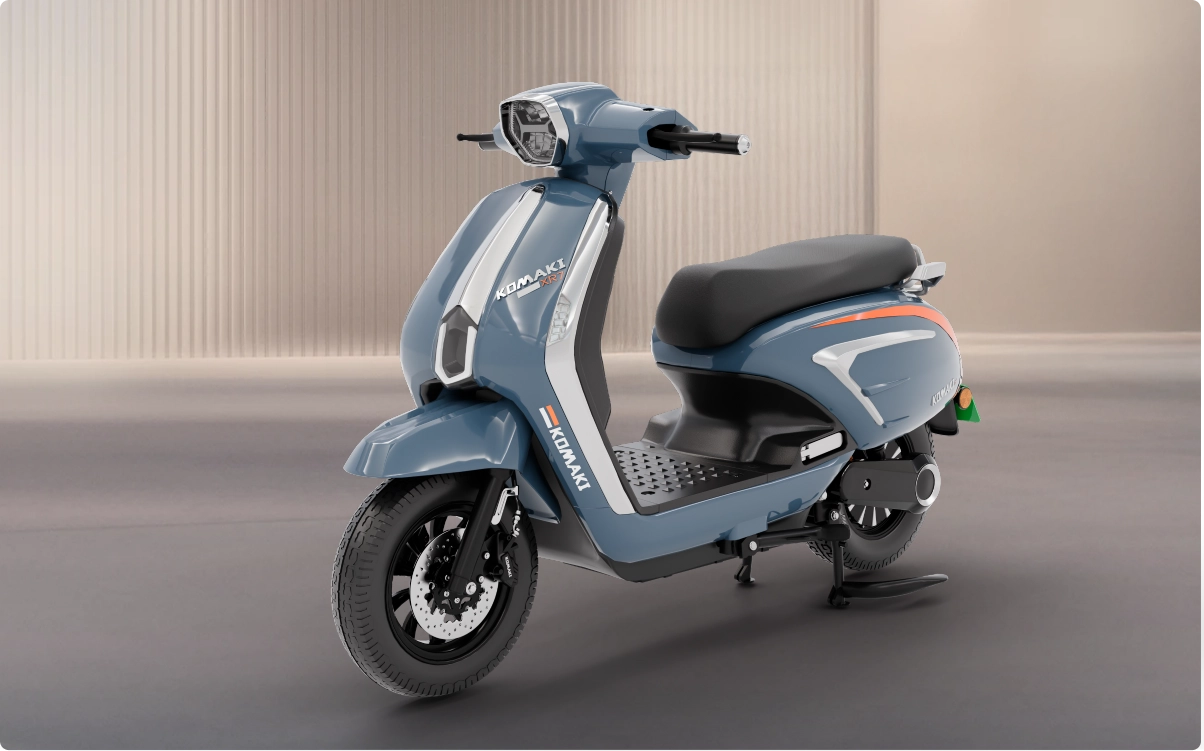
Under the revised plan, the MHI has restructured the budget—reducing the allocation for e-rickshaws and e-carts due to low demand, and increasing incentives for L5 category e-three-wheelers (used for passenger or goods transport), where demand has exceeded expectations. This move will support 2,97,609 L5 e3Ws, up from the originally planned 2,05,392 units, by reallocating ₹164 crore within the approved budget.
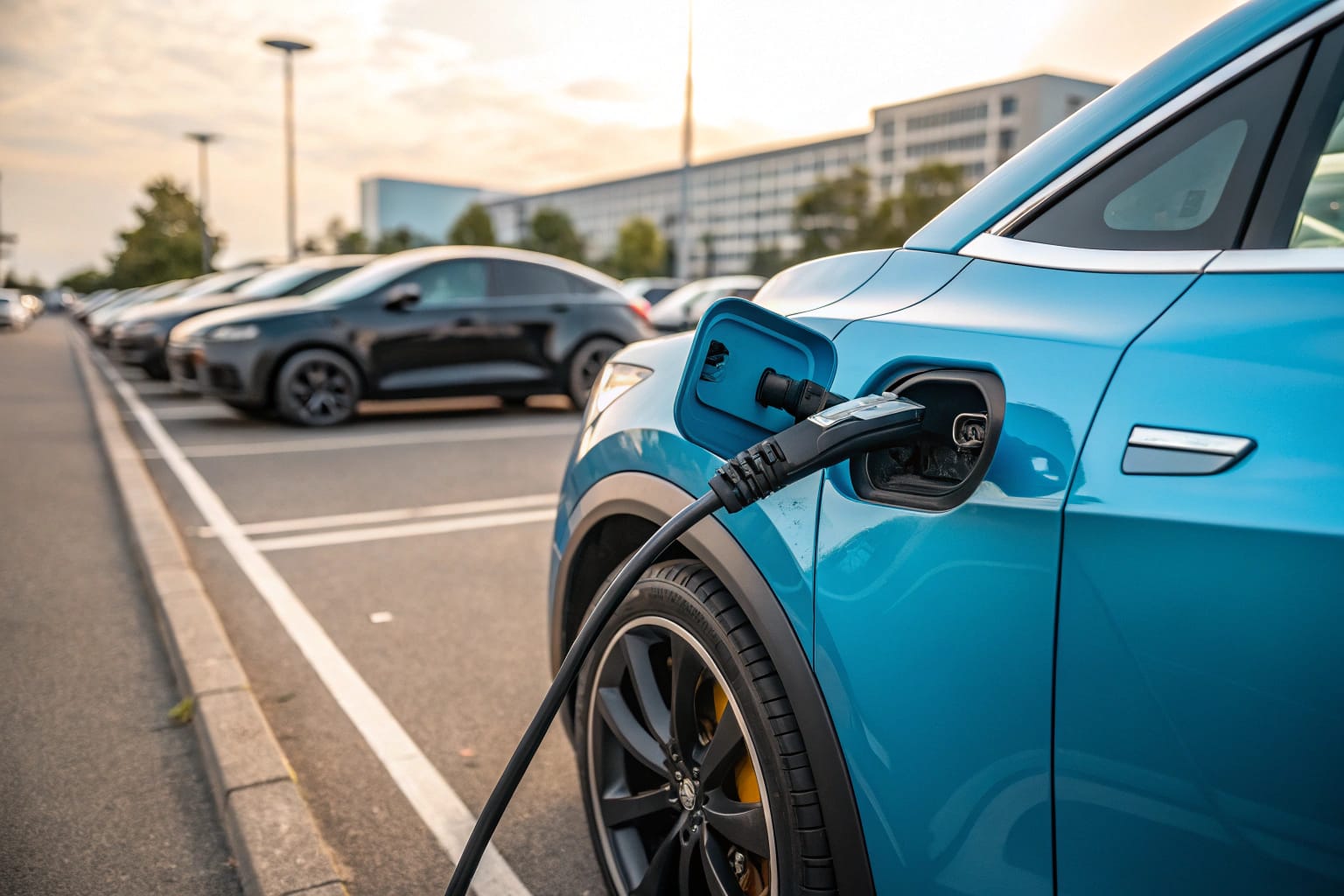
The extension also provides much-needed time for procurement and deployment of testing agency equipment, and installation of 72,300 EV public charging stations. The revised strategy aims to better align incentives with market readiness, especially for electric buses and other commercial EVs whose implementation timelines extend up to 18 months.
Under the revised plan, the MHI has restructured the budget—reducing the allocation for e-rickshaws and e-carts due to low demand, and increasing incentives for L5 category e-three-wheelers (used for passenger or goods transport), where demand has exceeded expectations. This move will support 2,97,609 L5 e3Ws, up from the originally planned 2,05,392 units, by reallocating ₹164 crore within the approved budget.
The extension also provides much-needed time for procurement and deployment of testing agency equipment, and installation of 72,300 EV public charging stations. The revised strategy aims to better align incentives with market readiness, especially for electric buses and other commercial EVs whose implementation timelines extend up to 18 months.