Piaggio Sees Structural Shift Fueling L5 E-Three-Wheeler Growth Despite Reduced Subsidies
Piaggio Vehicles expects electric L5 three-wheelers—used for passengers and cargo—to reach 50% market penetration in India by mid-2028, citing a structural shift in the segment. Despite government incentives under the FAME scheme being cut to one-fourth in the past 1.5 years, the L5 e-three-wheeler market has grown significantly. According to Chairman Diego Graffy, this rise shows the transformation is now driven by lasting factors such as improved charging infrastructure, better financing access, and lower acquisition costs.
In FY25, passenger L5 e-three-wheelers made up 22.8% of EV sales, with cargo variants at 21.5%. By Q1 of FY26, passenger penetration rose to 32.4%, reflecting growing consumer trust. However, adoption is slower in South and West India, with potential for faster growth in those regions.
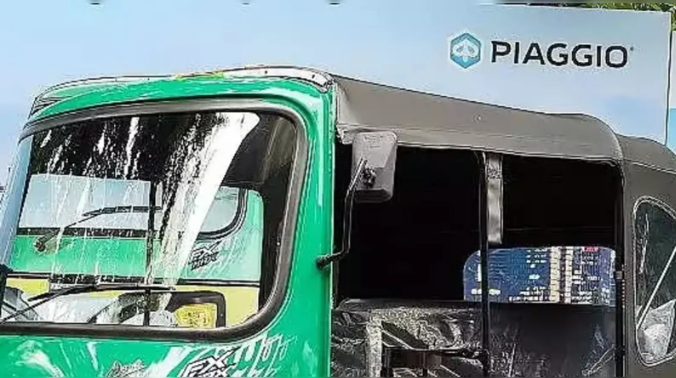
Piaggio continues to update its portfolio every two years and recently launched the Ape E-City Ultra and FX Maxx at Rs 3.80 lakh and Rs 3.30 lakh, respectively. These models offer enhanced range, minimal operating costs, and improved battery life—addressing key user concerns. While praising the EV opportunity for sustainable urban transport, Graffy also urged the government to clearly communicate future subsidy policies under the PM e-Drive scheme (Rs 10,900 crore) for better OEM planning.
In FY25, passenger L5 e-three-wheelers made up 22.8% of EV sales, with cargo variants at 21.5%. By Q1 of FY26, passenger penetration rose to 32.4%, reflecting growing consumer trust. However, adoption is slower in South and West India, with potential for faster growth in those regions.
Piaggio continues to update its portfolio every two years and recently launched the Ape E-City Ultra and FX Maxx at Rs 3.80 lakh and Rs 3.30 lakh, respectively. These models offer enhanced range, minimal operating costs, and improved battery life—addressing key user concerns. While praising the EV opportunity for sustainable urban transport, Graffy also urged the government to clearly communicate future subsidy policies under the PM e-Drive scheme (Rs 10,900 crore) for better OEM planning.