Nepal's Rapid EV Transition Redraws Auto Market Dynamics in South Asia
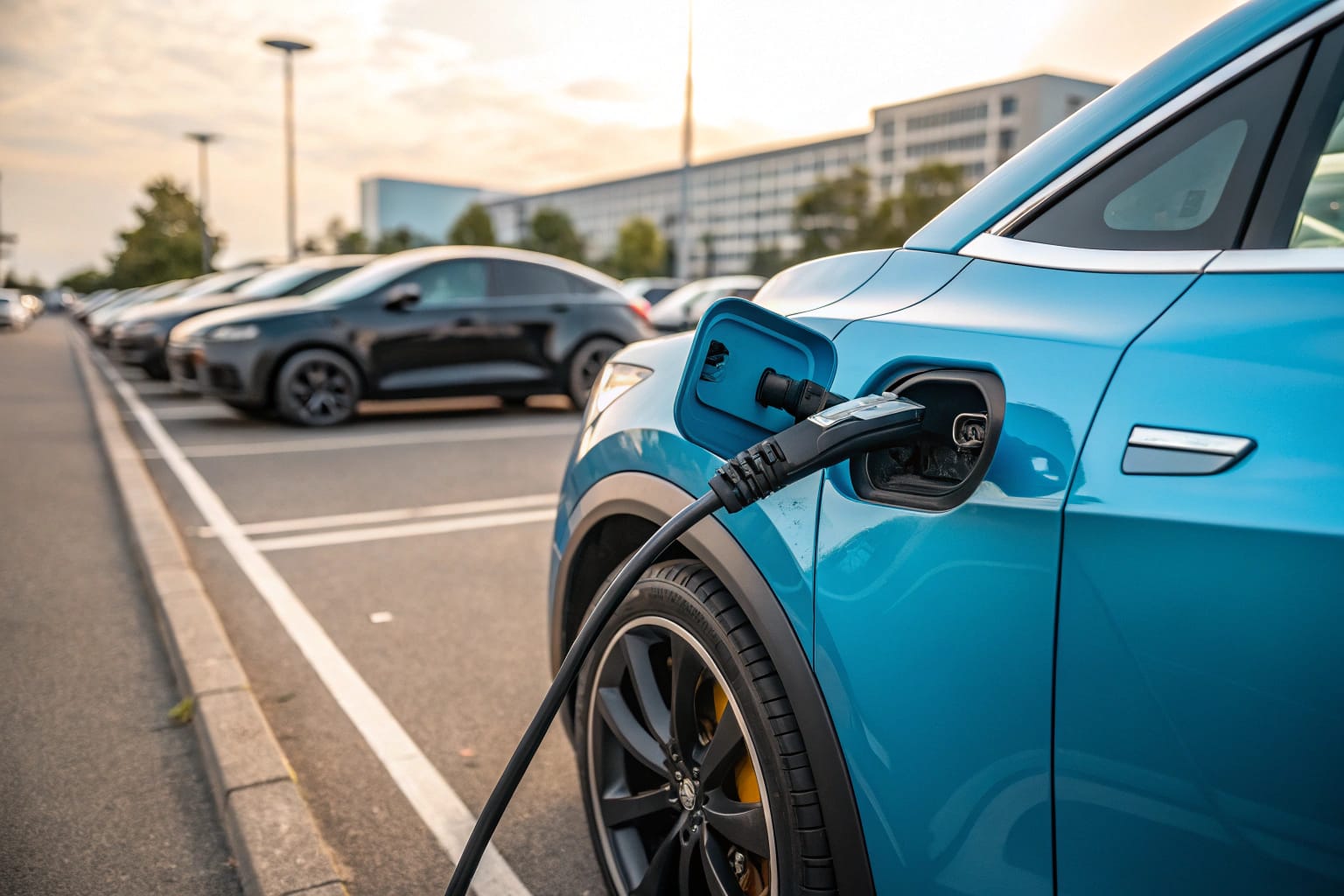
Nepal has seen a major shift in its vehicle market—from just 1 electric four-wheeler import in 2019–20 to over 13,500 EVs in 2024–25, now making up 70% of all car imports. This transition outpaces the global average of 20% EV adoption and marks a big change for a lower-middle-income country. As a result, China has overtaken India as the leading exporter of cars to Nepal, supplying 53% of imported four-wheelers compared to India’s 44%.
This shift is driven by Nepal’s efforts to fight air pollution and reduce dependence on fossil fuels. The government aims for 90% of new private and 60% of new public vehicles to be electric by 2030. Favorable taxes on EVs—much lower than the 180–238% duties on fuel cars—make electric cars cheaper. For example, Chinese EVs like the BYD Dolphin are cheaper than Indian petrol SUVs in Nepal.
Although EV financing was easy earlier, new rules now require buyers to pay more upfront, slightly affecting sales. Cheap hydropower and an expanding charging network (over 800 stations) have made EV use practical across the country. Nepal’s push into EVs also stems from a past fuel trade crisis with India, which led the country to double down on hydroelectric energy and self-reliance.
This shift is driven by Nepal’s efforts to fight air pollution and reduce dependence on fossil fuels. The government aims for 90% of new private and 60% of new public vehicles to be electric by 2030. Favorable taxes on EVs—much lower than the 180–238% duties on fuel cars—make electric cars cheaper. For example, Chinese EVs like the BYD Dolphin are cheaper than Indian petrol SUVs in Nepal.
Although EV financing was easy earlier, new rules now require buyers to pay more upfront, slightly affecting sales. Cheap hydropower and an expanding charging network (over 800 stations) have made EV use practical across the country. Nepal’s push into EVs also stems from a past fuel trade crisis with India, which led the country to double down on hydroelectric energy and self-reliance.